


Yup, you all read that headline correctly, I am HAPPY that Oracle Solaris 12 was recently killed.

Let this sink in… Solaris 12’s “death” is a good thing…
And this is why. Oracle finally wised up about Operating System names, and made the decision to follow a version strategy that may other software companies have figured out, and are keeping the major number at 11. That’s right, Solaris 11 is here to stay for a while. It is not dead, it is not end of life, and all those other rumors you might have read about the end of Solaris are greatly exaggerated.
What Oracle really did, is a giant bonus for all the Solaris 11 administrators, ISVs and system owners already out there, as a new deliver model is being rolled out.
This is called a continuous delivery model, and should offer more frequent updates to deliver new features faster without the need to do a major Operating System upgrade.
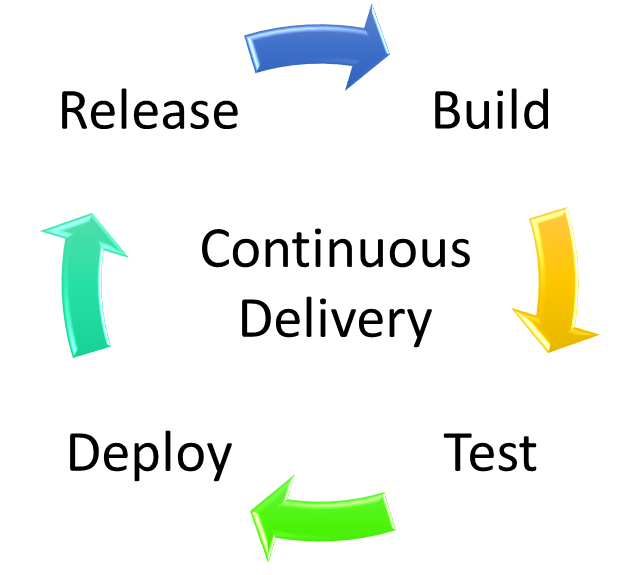
This not only puts new features in our hands faster (patching without rebooting comes to mind) and from Oracle has stated, often as part of the monthly SRUs, and not always tied to a point release. This is also inline with what the rest of the industry is moving to, like OSX from Apple. Oracle’s Cloud product uses this model, and new features pop-up every month, just look at the Oracle Management Cloud product for an example. With Solaris moving to this model, I am expecting to see something similar, though I would not expect new features every month from the Solaris team.
The unfortunate downside, is that by delivering software through this more efficient model, Oracle no longer needs a duplicate set of developers, architects, documentation writers, QA staff, product managers etc. so a layoff was needed to address the resource requirements. This layoff is what is causing all the rumors that Solaris was being canceled. About those rumors, most came from a website that focuses on layoff rumors, and allows anonymous posting. Nothing is verified from the site, yet many “experts” have been using posts there as proof Solaris is dead. I wonder why they would do this, are they afraid about something?
Also, about that “monster layoff”, while there was an unfortunate layoff, many of the staff (Some of them friends of mine) have moved to new projects at Oracle, so while they are no longer working on Solaris they are working on some really cool technologies. If you follow Oracle technologies on twitter, you would have recently seen @wimcoekaerts talking about LDOMs on Linux, and if you were at Oracle Open World this last year you saw the new Exadata SL6, a SPARC powered Exadata, almost identical to the X6, the same Operating System (Oracle Linux) , the same storage, and per Larry Ellison same price as the X6 when release.But the ONE difference is that the SL6 is running on a SPARC M7 processor, over 2x faster per core vs the X6 Exadata.. Solaris and the SPARC processors are not a dead but technology, but they are both evolving. Maybe this is why Oracle’s competitors are afraid of these technologies, as they have the potential to disrupt that status quo. If you have not tried Solaris or SPARC, take a look, the end results may surprise you. Solaris and SPARC is alive and kicking, more powerful than ever.

Thanks for the info. Any official news from Oracle on any of this?
There is some info coming out on the oracle blog. This is a good start: https://blogs.oracle.com/partnertech/entry/solaris_and_sparc_and_exaggerated
I’ll post a more detailed write up from what Oracle is ofically posting, and see about getting that on my work blog. http://mythics.com/blog/
Does anyone really use Solaris anymore?
tons of businesses. It’s not the same OS from 2005! Lots of advantages over other solutions if you willing to take a look.
I wouldn’t call 1.6% a tons of busnesses. Compare this to 70% that Linux holds. The truth is Linux killed Solaris and that’s good.
I would not put it that way, as a lot of Solaris technology is now in Linux! ZSF, DTrace to name a few techs. Linux still has technical limitations that Solaris does not have, though that gap closes bit by bit with every new Linux release.
WOW! Are you sure Solaris isn’t dead? I read something on thelayoff.com from a developer that was fired that the OS was killed.
Ugh, I am soo tired of hearing this one.. what is being posted on that web site can not be confirmed. Give it a try, and post something there and see who runs with it!
Thanks to the @OpenSolaris team for sharing this! Much more info here than anywhere else.
I am not with the Open Solaris team, but always appreciate their support!
Thanks guys for sending this out!
Nice article Erik. Nicely stated.
Thanks, hopefully it help clear up some of the confusion
Can you please share, more about when we might see the features in Solaris 12 make it into Solaris 11? I learned more about what is happening from this post I found on twitter, that what my sales rep is telling me.
First, I need to say I do not and have never worked for Oracle or Sun. So all I can share is what I have heard through friends that work there, and what Oracle has posted online.
As far as what features we may see and when, I do not know the dates. As soon as they are published I will post a nice write up on how they work.
Nice summary!
Nice post. Solaris and SPARC are really alive!
go dad
Thanks Little E… but why are you surfing the net AT SCHOOL!!
Hearing rumors that Oracle has killed Linux on sparc and that Fowler is leaving Oracle. Can you comment on this?
I am not going to comment any any rumors… this is not a rumor and speculation BLOG. I do not work for Oracle, so I can not make any official announcements.
By now, the death of Solaris and Sparc are no longers rumours. Continous Delivery was just a way to prepare companied tied to Sparc/Solaris for the end of life of their infrastructure (or: “pay us for maintenance and expect nothing much in return).
A sad end for Solaris, that will always have a small piece of my heart (I started my IT career on Solaris, and lingered on FOSS Solaris projects even after I moved professionally to Linux).
I disagree that it is dead. 11.4 and 11.5 were finally publicly announced at #OOW17 this year, along with a new SPARC processor. We should also see a new CPU on 2020.
Linux is great, but some workloads perform better on the big servers than a commodity x86 platforms. It’s like construction, almost everyone has a 1/2T pickup , but not every project needs a mining dump truck that can hold over 450T.